Our Blog

Dental X-Rays: Are They Safe?

October 18th, 2017
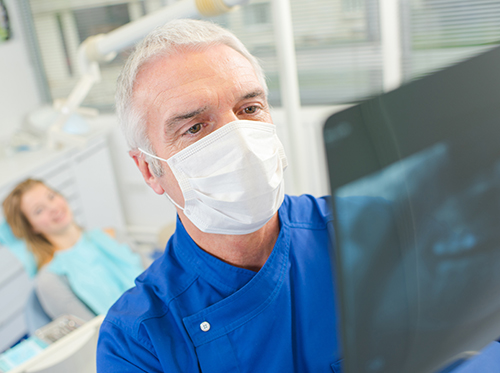
X-rays have been a function of dental healthcare for a long time. That in and of itself should be good news, because it means we've had plenty of time to improve them. While there is always some risk in exposure to radiation, dental X-ray exposure has decreased significantly due to all the advances in technology. So there’s risk, but X-rays are quite safe.

Think of X-rays as you would about a car. Automobiles these days have all kinds of technology to make them as safe as possible. There's still a chance that you’ll suffer an accident. Would you stop using a car because of that risk? When it comes to dental X-rays, Dr. Jones and our team believe the positives clearly outweigh the negatives.

X-rays can be done digitally or with film. For film, X-rays require different exposures at different speeds to produce the image. Digital X-rays have software that automatically adjusts the exposure and produces the X-ray in a digital file. Since they substantially reduce your exposure to radiation, digital X-rays are the current standard in dental offices.

In addition to digital X-rays, lead aprons are an essential piece of X-ray safety. They help protect internal organs from X-rays by acting as a shield. They usually come with a thyroid collar as well, since that is one of the most vulnerable areas to X-rays in the body. Lead aprons can absorb up to 95% of any scatter rays that result from an X-ray. Not bad, right?

Although dental X-rays involve some radiation exposure (not all of it can be eliminated), so does everyday life. Getting too much sun, for example, can be dangerous. The truth is, we accumulate radiation in our bodies over a lifetime, so it’s worthwhile to be aware and avoid as much unnecessary exposure as possible. When it comes to your dental health, though, getting an X-ray — especially when your doctor says you need it — offers more benefits than risks.

Ask us about the type of dental X-rays we use during your next visit to our Phoenix, AZ office!

Adults and Braces

October 11th, 2017

Braces aren’t just for kids. Many grownups are taking advantage of orthodontic treatment and having their teeth straightened at a later age.

Sometimes, patients include adults who already had braces in the past, but their teeth shifted over time once they stopped wearing their retainers. In other cases, adults who have never had braces are tired of having crooked teeth and ready to invest in a beautiful smile.

Whatever the case may be, if you’re looking to straighten your teeth with braces, Dr. Jones would love to help you with this process. Having a dazzling smile can increase your confidence in all areas of your life!

Depending on what you’re willing to spend and how quickly you would like to complete the process, you have various options for getting braces. We all know what traditional metal braces look like. This is a less-expensive route for individuals who have severely crooked or displaced teeth. However, many adults avoid option because the braces are noticeable or distracting in a professional atmosphere.

For people concerned about aesthetics, clear ceramic braces may be a preferable option. This type can still fix extremely crooked teeth or jaw alignment issues. It may be slightly more expensive than traditional metal braces. Patients who choose this treatment route need to be careful not to stain the clear adhesives by drinking too much coffee, red wine, soda, or other beverages that can discolor teeth.

Another great option for adults who don’t want to have visible braces is a clear aligner treatment known as Invisalign®. This popular option differs from traditional braces by featuring a series of clear aligners that are each custom-made for your teeth.

The entire process can take anywhere from three to 18 months to straighten your teeth completely. This may not be the best choice for patients who have an overcrowded mouth or extreme bite issues. Invisalign is often the most expensive option, but it’s great if you’re concerned about your appearance while your teeth are being straightened.

If you’ve been thinking about straightening your teeth with the help of braces, don’t hesitate to contact our Phoenix, AZ office to set up a consultation. From there, Dr. Jones can figure out the best course of treatment, depending on your budget and overall needs.

Adult braces can be a great way to boost your confidence and finally give you the smile you’ve always wanted.

Positive Aging with Orthodontics

October 4th, 2017

Crooked or crowded teeth aren’t always just a cosmetic issue; they also are more difficult to clean, which can lead to tooth decay and gum disease. Likewise, if your teeth don’t align properly when you bite (known as malocclusion), this can cause chewing, swallowing, and speaking problems.

You can put these risks to rest and look amazing, however, with well-thought-out orthodontic treatment from Dr. Jones. More and more adults are opting for orthodontic treatment and changing their lives in the process.

Childhood is of course the ideal time to get treatment, since the mouth and jaws are still growing, but many adults still can get beautiful and lasting results which can be achieved discreetly and effectively with modern orthodontic appliances and technologies.

Traditional braces used to be the only thing going, and many adults understandably don’t like the way they look. There are so many other options for braces these days that it’s possible for almost any patient to be treated effectively and efficiently — usually in one to two years.

Here are some of the technologies being implemented in our modern Phoenix, AZ orthodontic office:

  • Clear aligners: Practically invisible clear plastic aligners are great for less severe cases.
  • Lingual braces: These are placed on the back of your teeth instead of the front, and can handle anything that traditional braces can.
  • Ceramic braces: Translucent ceramic brackets make for effective and more discreet treatment.
  • Self-ligating braces: These require less manipulation by the orthodontist, which means fewer appointments and quicker results.

It should also be noted that the goal of orthodontic treatment (especially in adults) isn’t always limited to straightening teeth and/or correcting a bite. Teeth provide support for the lips and cheeks and help define your face.

The relationship between the jaws, teeth, face, soft tissues, and underlying skeleton of the face are important, and an orthodontist takes this into account when designing a smile.

In short, getting orthodontic treatment won’t just give you a good-looking and healthy smile; it can help define and enhance the entire appearance of your face. Knowing just how crucial your teeth are in determining how you look and live will help you age positively and confidently.

When should I floss during the day?

September 27th, 2017

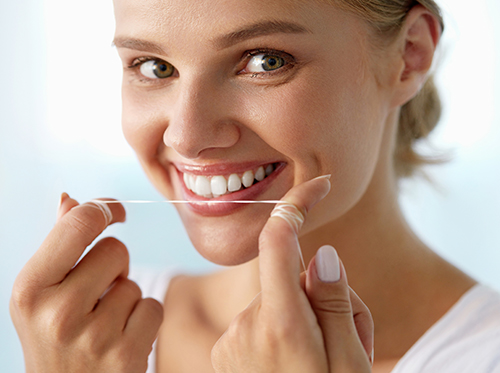
A vital step in your oral health routine is flossing. We hope our patients at Clark Jones, DDS, MSD maintain good oral hygiene, including daily flossing between each visit to our Phoenix, AZ office. A toothbrush is not always enough to get to the hard-to-reach areas of your mouth. When food remains between your teeth, bacteria starts to grow and will break down your enamel. This is where flossing comes in!

Should you floss before or after brushing?

Whatever your personal preference, you may floss before or after you brush your teeth. When you floss first, you can brush away any leftover dislodged food debris from your teeth. On the other hand, when you brush first, you will loosen the plaque between your teeth, which makes flossing more effective.

The essential aspect is that you floss thoroughly by using a fresh strand of floss and make sure to get between every tooth. Even if your teeth look and feel clean, don’t skip flossing or plaque will begin to build up on your teeth.

When is the best time to floss?

Although you should brush your teeth at least twice a day, Dr. Jones and our team recommend flossing your teeth thoroughly once a day. Many people prefer to floss before bed, so that plaque doesn’t sit between their teeth all night.

What kind of floss should I use?

You may choose between interdental cleaning picks or flexible floss strands to perform your daily flossing routine. If you have permanent oral appliances or restorations, be sure to follow the flossing instructions provided to you.

Do you need help flossing?

If you’re having trouble flossing or have questions about which floss is best for your teeth, contact our Phoenix, AZ office and we can provide you with support. Be sure to keep up with your daily flossing routine, and we will see you at your next appointment!

request exam